What Size Generator Does Your Home Actually Need?
Picking the right home generator size in New Braunfels, TX starts with one goal: steady, safe power when the grid goes dark. The right choice depends on how your family uses electricity, the size and age of your HVAC, and which rooms or appliances you want to keep running. In our Hill Country climate, air conditioning is usually the biggest load, so a careful plan beats guesswork every time.
Why Generator Size Matters In The Texas Hill Country
Summer heat in New Braunfels pushes air conditioners hard. A system might draw a moderate amount once it is running, but it needs a big jolt to start. That momentary surge can trip a too-small generator and shut down the whole house. Sizing correctly helps your lights stay steady, your fridge keep food safe, and your HVAC hold the line when thunderstorms roll over the Guadalupe and Comal Rivers.
A properly sized unit also protects sensitive electronics. Modern refrigerators, smart thermostats, routers, and home office gear like PCs and monitors expect clean voltage. An undersized generator strains, creates voltage dips, and can shorten equipment life. Getting the size right lowers stress on the system and keeps your home comfortable without drama.
Essential Circuits Versus Whole-Home Power
Start by thinking about what must stay on during an outage. Some families only need key circuits like the refrigerator, a few lights, Wi-Fi, medical devices, and one small HVAC zone. Others want near-normal living with cooking, laundry, and multiple AC zones. The more you want to run at once, the larger the generator needs to be.
- Essential-circuit backup focuses on comfort and safety with a compact generator.
- Whole-home backup keeps almost everything working, including large appliances and multiple ACs.
Homes in neighborhoods like Gruene, Dove Crossing, and Town Creek vary widely in layout and HVAC size. A one-story bungalow with a single-stage AC might live fine on a smaller unit. A two-story home in Vintage Oaks with a large heat pump and a well pump out back usually needs more capacity.
What Really Drives Your Load In New Braunfels Homes
Most power draw during an outage comes from a handful of appliances. Air conditioning is usually first on the list, followed by cooking, water heating, laundry, and pumps. Lighting and device charging matter too, but they rarely decide the generator size on their own.
- HVAC: Largest and most important for comfort in summer.
- Kitchen: Refrigerator runs often, ranges and microwaves add short bursts.
- Water: Tanked or tankless water heaters, softeners, and well pumps if you are outside city limits.
- Laundry: Dryers and washers can spike usage when both run together.
- Electronics: TVs, routers, desktops, and chargers expect steady power quality.
Two homes with the same square footage can need very different sizes if one uses high-efficiency HVAC and LED lighting while the other has older systems. Age and efficiency of equipment matter as much as square footage.
Portable Or Standby: Which Fits Your Goals?
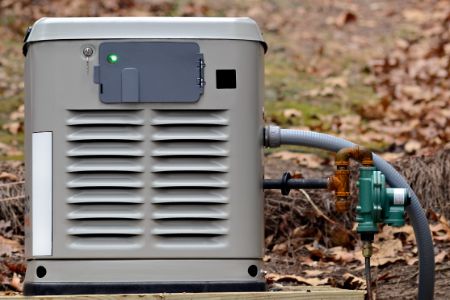
Portable generators can be practical for light, short outages. They usually power a limited set of circuits and need manual refueling. Standby generators are permanently installed outside, connect to your natural gas or propane, and switch on automatically. Many families in New Braunfels prefer standby units for long, summer outages when refueling a portable in 100-degree heat is the last thing you want to do.
Portables are useful for the basics, but they typically are not ideal for central air. Standby systems are designed to handle larger starting loads, especially when paired with smart load management to prevent overloads.
How 360 Inspired Electrical Sizes Home Generators The Right Way
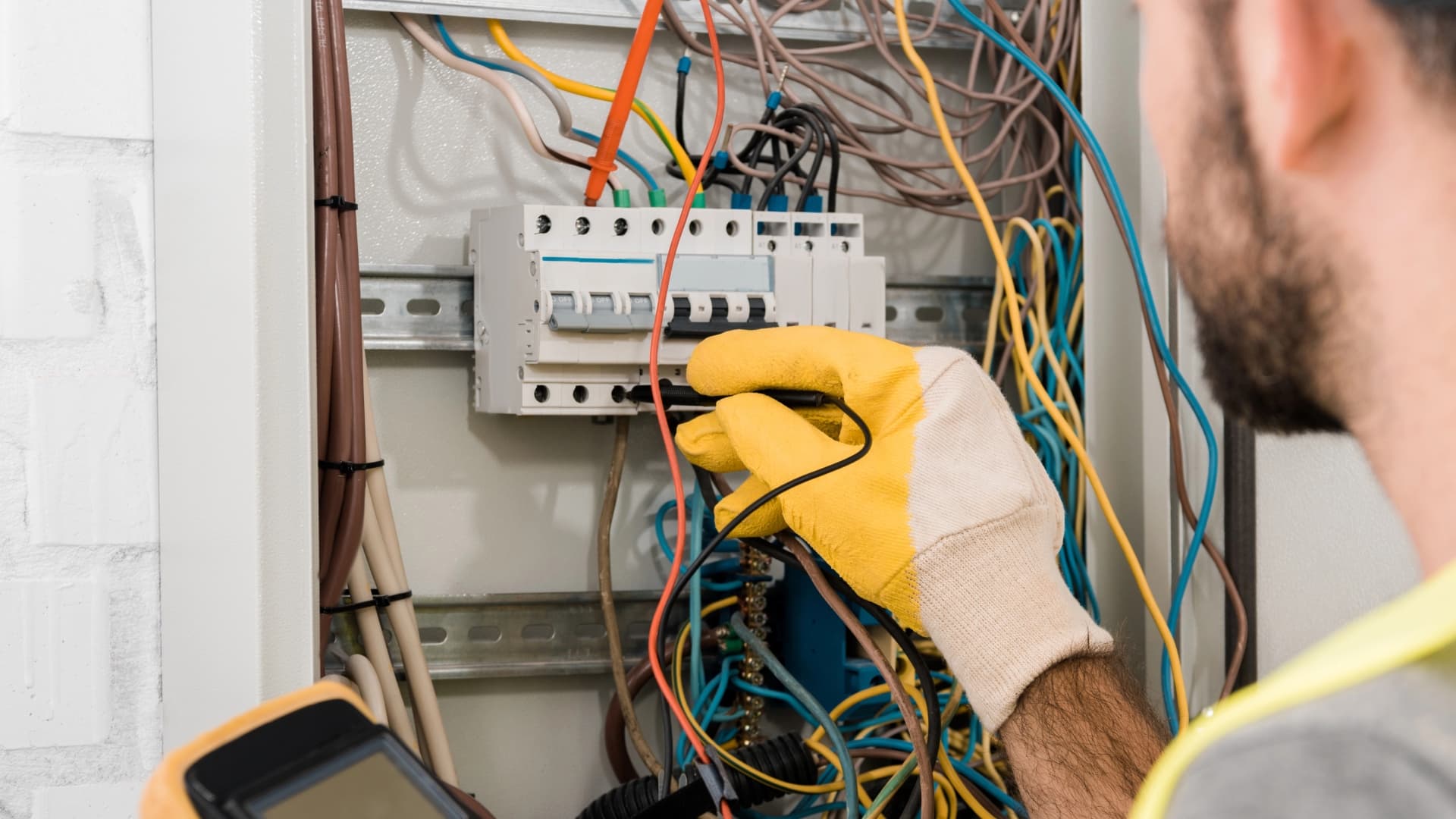
As your local electrician, 360 Inspired Electrical looks at real-world usage, not guesses. We review major appliances, HVAC tonnage, and motor loads like well or pool pumps. Then we consider how many things you want to run at once and the type of fuel on site. The result is a clear recommendation that fits your home and comfort goals.
Our team also checks panel capacity and placement options around setbacks and clearances. Correct installation reduces noise, improves airflow, and protects the unit from flood-prone spots. Finally, we match the generator with a transfer switch and smart controls so your system runs smoothly when the power blinks.
Local insight: In New Braunfels, AC starting current on the hottest afternoons can be much higher than evening levels. Sizing for that peak helps your system ride out the roughest minutes of an outage. It also reduces nuisance trips when thunderstorms pop up fast in spring.
Real-World Sizing Scenarios Around New Braunfels
Every home is unique, but these examples show how goals change the plan. These are not quotes or DIY guides. They show why a professional load evaluation matters.
- Small Bungalow Near Downtown: You want the fridge, a few lights, Wi-Fi, a window unit or a smaller central AC, and phone charging. A compact standby unit can keep essentials steady without wasting fuel on idle capacity.
- Family Home In Dove Crossing: You prefer near-normal living. That includes central AC, cooking, and hot showers. A mid-range standby with smart load management can prioritize the AC and water heating so everything stays stable.
- Hill Country Outskirts With A Well Pump: Add the surge from a well pump to the HVAC and fridge, and you get a bigger starting load. A larger standby system makes sense to avoid brownouts when the pump kicks on.
- Vintage Oaks Two-Story: Multiple AC zones, a double oven, and a pool pump raise both running watts and starting surges. Planning for those surges keeps the home comfortable when storms stall over the ridge.
Fuel, Noise, And Runtime Considerations
Standby generators usually run on natural gas or propane. Natural gas means no refueling and a steady supply during long outages. Propane works well for homes outside city gas service and gives predictable runtime based on tank size. Diesel is less common for residences and is typically louder and bulkier.
Noise also matters. Newer residential units are quiet compared to older designs, but placement and fencing affect what you hear. We look for a spot that respects your neighbors and keeps service access easy. Proper pads, clearances, and airflow help the unit run cooler and last longer.
Power Quality And Smart Load Management
Quality can matter more than quantity. Sensitive electronics want steady voltage and frequency. Modern standby systems with true power management do more than keep the lights on. They can delay large appliances for a few seconds so your AC starts cleanly, then bring the rest online without flicker. That smart staging lets a right-sized generator act bigger than it is, which can save fuel and reduce wear.
Common Missteps To Avoid
Buying on square footage alone often misses the mark. Two 2,000-square-foot homes can differ by thousands of watts because of AC size, insulation, and appliance choices. Another misstep is ignoring starting surges from HVAC or pumps. If you only look at running watts, you risk overloading the moment a motor starts. Finally, skipping professional installation can create hazards with backfeeding and grounding. Safety is not optional.
What To Expect During A Professional Assessment
We begin with a conversation about your outage goals. Do you want to live almost normally or focus on comfort and safety until power returns? Then we evaluate your panel, HVAC tonnage, and the appliances that matter most to you. The outcome is a clear plan with brand and size options that fit your load profile and property layout.
We also review maintenance, so your system is ready when you need it. That includes oil changes for certain units, periodic test runs, and keeping the area around the generator clear. A little care protects your investment and keeps warranty coverage in good shape.
Right-Size Benefits You Can Feel
- Smoother starts for AC and pumps, less flicker and fewer trips.
- Quieter operation because the unit is not straining at the limit.
- Longer equipment life for both the generator and your home appliances.
- Fuel savings versus an oversized unit idling far below its sweet spot.
When the size matches your needs, outages feel like a short pause instead of a crisis. Food stays cold, rooms stay cool, and your family carries on.
Placement, Safety, And Basic Clearances
Location and ventilation are critical. Generators must breathe and exhaust safely away from windows and doors. We choose level ground, consider prevailing winds, and leave working space around the unit for service. Never run a generator where exhaust can enter the home. Carbon monoxide is deadly even in small amounts. With a safe pad and correct electrical connections, your backup power will be ready for years.
When In Doubt, Plan For The Peak
Outages in July do not feel like outages in October. Air conditioners start harder in the afternoon heat than at midnight. The safe plan is to size for the hottest day and the heaviest reasonable use. That extra headroom is what keeps your generator from tripping at the worst moment.
Your Next Step With 360 Inspired Electrical
You don't need to guess! Our licensed electricians design backup power around your family, your equipment, and New Braunfels weather. We will help you choose the right size and place it where it runs safely and quietly.
Talk with a local pro today. Call 830-340-2642 to schedule your in-home assessment with 360 Inspired Electrical. We will evaluate your loads, explain options in plain language, and set up a reliable system that keeps your home comfortable when the grid takes a break.
If you want to be ready before the next storm season hits, reach out now at 830-340-2642. We serve homeowners across New Braunfels and nearby Hill Country communities with thoughtful, right-sized backup power solutions that put comfort and safety first.
Call Us
Connect With Us
Leave a Review

